
Product · ground talc
Talc powder
Talc powder is talc lumps crushed, ground and classified to a set particle size. Ours is milled on hammer and Raymond mill lines at two meshing plants in Peshawar. It is tested at SKZ Laboratory Peshawar and packed in 25 kg bags or jumbo bags.

Production
How our talc powder is made
Sorted lumps are crushed and screened to an even feed size. Mills then grind them, and an air classifier removes particles above the target size. Cyclones and dust collectors recover the powder.
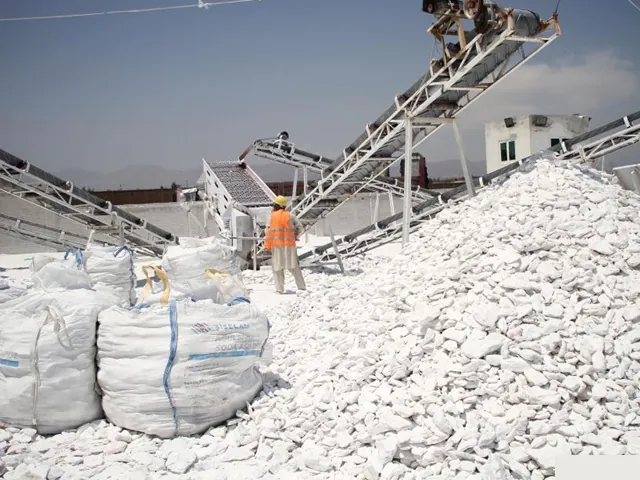
Crush & screen
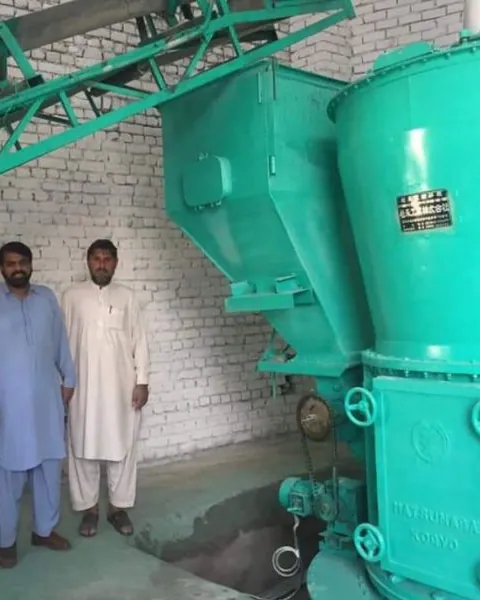
Grind (hammer / Raymond mill)
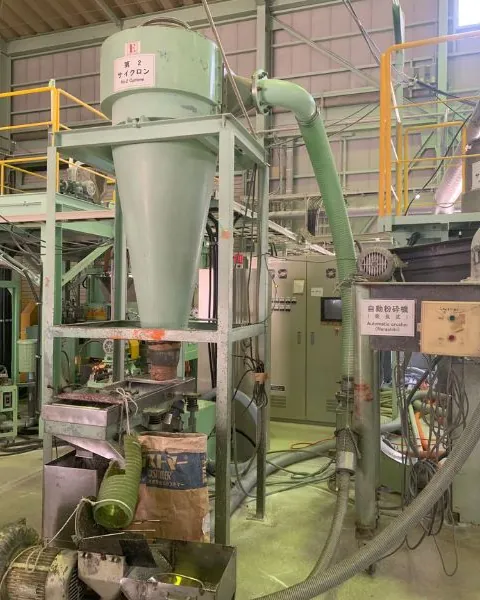
Classify / micronize
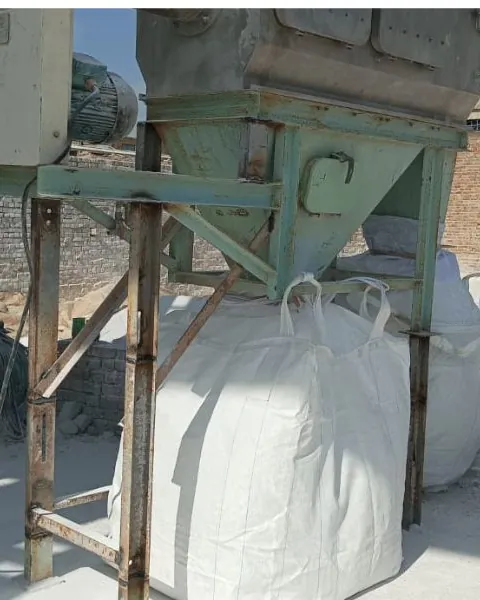
Collect & bag


Fineness
Mesh and particle size
Fineness is set to your order. Company records rate the Peshawar meshing plants for 250 to 2,500 mesh. The published SKZ Laboratory reports cover samples at above 325 mesh and above 400 mesh, measured by laser particle analysis (Bettersizer ST).
Above about 500 mesh, sieves stop being practical and fineness is better stated in microns (D50 and D97). Tell us the figure you work to and we will confirm what the plants can hold.
| Application | Typical fineness |
|---|---|
| Ceramics, rubber | Coarser grades, around 200–325 mesh |
| Paints & coatings, paper | 325 mesh and finer |
| Plastics reinforcement | Fine to micronized; specify D50 / top cut |
| Cosmetics, pharmaceuticals | Micronized; qualified by the buyer's own testing |
Laboratory
Published sample results
Two powder samples tested at SKZ Laboratory Peshawar. These results show how we measure; they are not a fixed specification. The quality control page shows the full reports and methods.
| Parameter | Sample “Agam 02” | Sample “DD” |
|---|---|---|
| Fineness | Above 325 mesh | Above 400 mesh |
| Whiteness | Above 93 | Above 94 |
| Sieve residue | 0.03 | 0.03 |
| Bulk density (g/cm³) | 0.31 | 0.40 |
| Loss on ignition (LOI) (%) | Under 8 | Under 6 |
| Silica as SiO₂ (%) | 60 – 64 | Above 60 |
| Magnesium as MgO (%) | 30 – 33 | Above 30 |
Packing
25 kg bags and jumbo bags
Bag type, labelling and container loading plan are confirmed per order.
- 25 kg bags
Printed SKZ “Soap Stone / Talc Powder” bags, stacked and wrapped; palletised on request.
- Jumbo (ton) bags
White FIBC bulk bags for lumps and powder, filled under a hopper with dust collection.
- Containers
Bags loaded into shipping containers at the warehouse for export.


Enquiring
What to include when you ask about powder
If you have a current supplier's data sheet, send it. We will match it against what the plants produce.

Fineness
Mesh, or D50 / D97 in microns, plus the maximum sieve residue you accept.
Whiteness & chemistry
Minimum whiteness, and LOI, SiO₂ or MgO limits if you have them.
Application
What the talc is for, so we can recommend a colour grade and fineness.
Quantity, packing & destination
Tonnes per shipment, 25 kg or jumbo bags, and destination port.
Questions
Talc powder: common questions
Short answers to what buyers ask most. Anything else, just ask.
What mesh sizes of talc powder can you supply?
Fineness is set per order. Company records rate the two Peshawar meshing plants for 250 to 2,500 mesh, and the published SKZ Laboratory reports cover samples above 325 mesh and above 400 mesh. Send your target mesh or D50 and we will confirm what the plants can hold.
How is your talc powder produced?
Hand-sorted lumps are crushed and screened, ground on hammer and Raymond mill lines and cut to size by air classification, with cyclones and dust collectors recovering the powder. Finer grades pass through a micronizing classifier.
What is tested on each sample?
SKZ Laboratory Peshawar measures particle size (Bettersizer ST), whiteness (Konica colour reader), sieve residue, bulk density, loss on ignition at 1000 °C, silica (SiO₂) and magnesia (MgO). Published sample results are on the quality control page.
How is talc powder packed?
In printed 25 kg SKZ Soap Stone / Talc Powder bags or in jumbo (ton) bags, filled under a hopper with dust collection, then stacked, wrapped and loaded into containers.
Can you match the talc we buy today?
Send your current data sheet or specification. We will compare it with what the plants produce and tell you honestly whether it can be matched, and on which parameters.
Enquiries
Ask about talc powder
Send your talc specification (form, mesh or lump size, colour grade, quantity and destination) and we will reply with a proposal.